
阴阳路COP17 "China Corner" showcases China's achievements in combating desertification_我的网站
A | 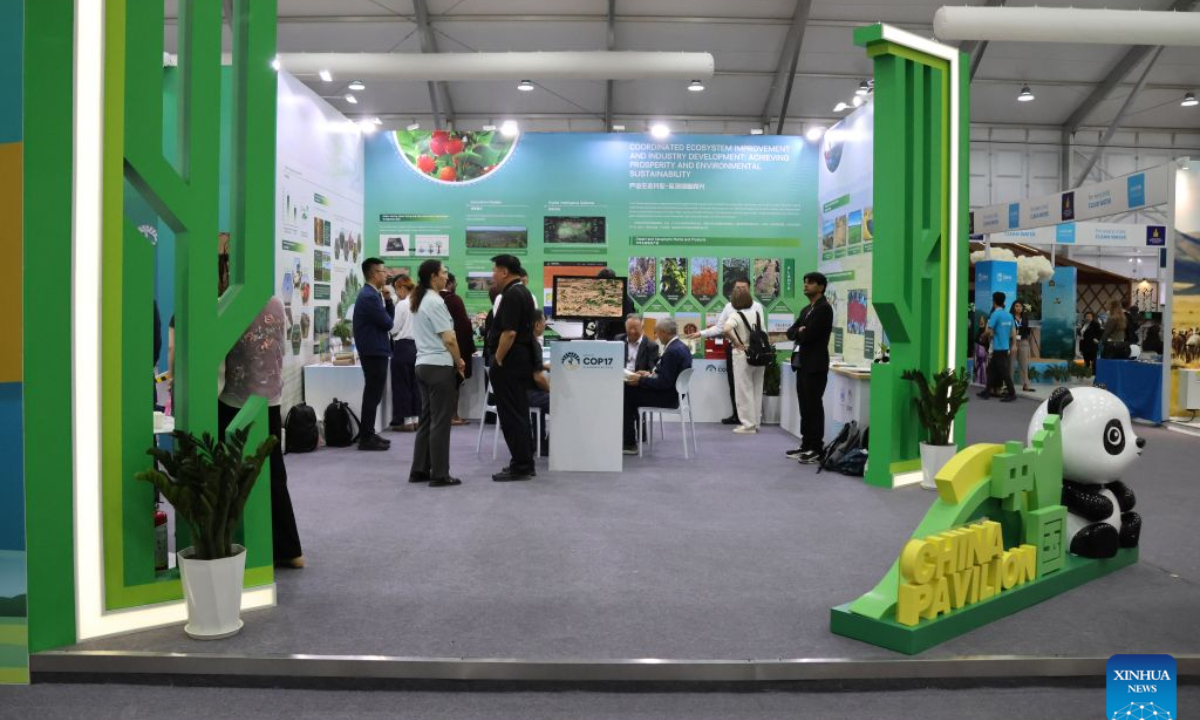 Held under the overall theme of COP17, "Restoring Land, Restoring Hope," the exhibition presents China's efforts and achievements in combating desertification through five chapters across three dimensions. Chapter 1: The Great Green Wall - Strengthening the Ecological Security Barrier in the North Since 1978, China has launched a series of major ecological projects, including the Three-North Shelterbelt Forest Program (TSFP), widely recognized as the world's largest afforestation program. The TSFP was launched in 1978 and is scheduled to run until 2050. It is being implemented in eight phases, with the program currently in its sixth phase. Since the implementation of the TSFP began, forest and grassland coverage in the project area has reached 40.76 percent, while the treatment rate of desertified land has reached 67.82 percent. Chapter 2: Prairie Conservation and Restoration - Bringing Grasslands Back to Life Since the 14th Five-Year Plan period, China has rehabilitated and restored nearly 15.33 million hectares of degraded grassland. In addition, nearly 80.66 million hectares of grassland have been restored through measures such as grazing bans and enclosure, benefiting approximately 12 million farmers and herders. Chapter 3: International Cooperation - Building a Green Community with a Shared Future Upholding the concept of a community of life on Earth, China has established desertification cooperation platforms with Arab countries, Mongolia, and Central Asian countries. It has also supported Belt and Road countries in their efforts to combat desertification, sharing Chinese experience and solutions for global ecological governance. Chapter 4: Scientific Prevention and Control - Combining Knowledge and Technology to Enhance Governance Efficiency China adheres to an integrated approach to the protection and systematic management of mountains, rivers, forests, farmlands, lakes, grasslands, and deserts. It adapts measures to local conditions, prioritizes water-efficient approaches to ecological restoration, and implements targeted treatments in different areas. In terms of technological advancement, the utilization rate of high-quality seeds has exceeded 75 percent, while the mechanization rate of sand control has reached 50 percent. The application of new equipment has increased the efficiency of sand-control operations by more than threefold. Chapter 5: Coordinated Development of Ecological Industries - Achieving Green Prosperity Together China has developed ecological industries and ecotourism initiatives tailored to local conditions, promoting the integrated development of ecological protection, industrial growth, and improvements in people's livelihoods. These efforts have helped transform desert and sandy areas into "green homes," enabling local communities to increase their incomes and achieve greater prosperity. China has seen a continuous decline in the areas affected by desertification and land salinization, becoming the first country in the world to achieve "zero growth" in land degradation. Approximately 53 percent of manageable salinized land has been effectively treated, making China a global leader in ecological restoration. During COP17, which runs through Aug. 28, the "China Corner" will also host a series of thematic side events to facilitate exchanges on ideas, technologies, and practices for combating desertification. 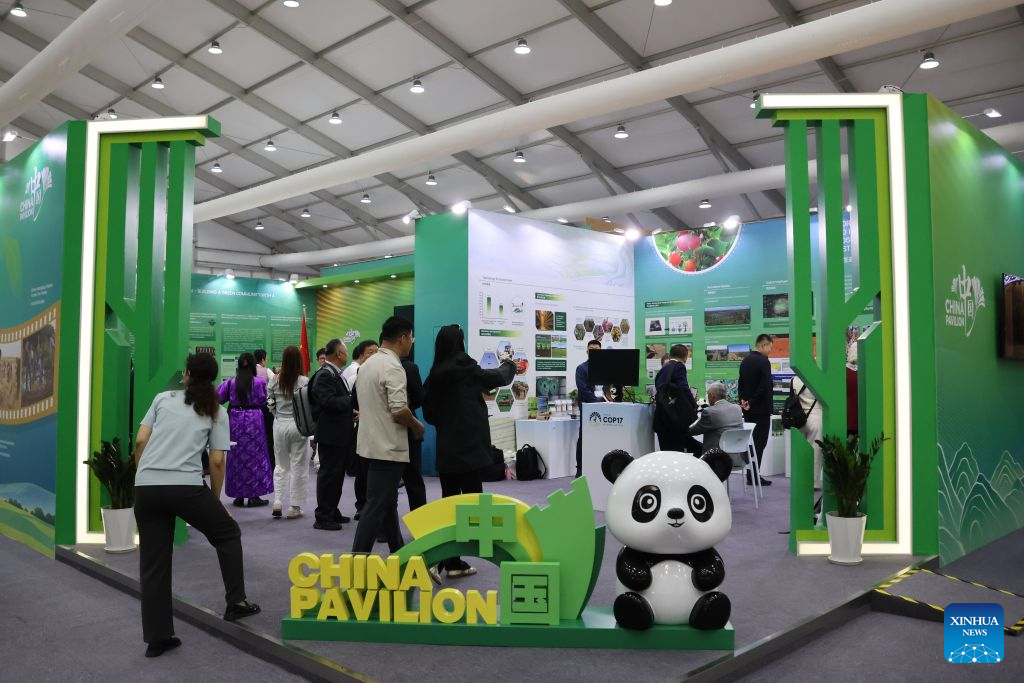 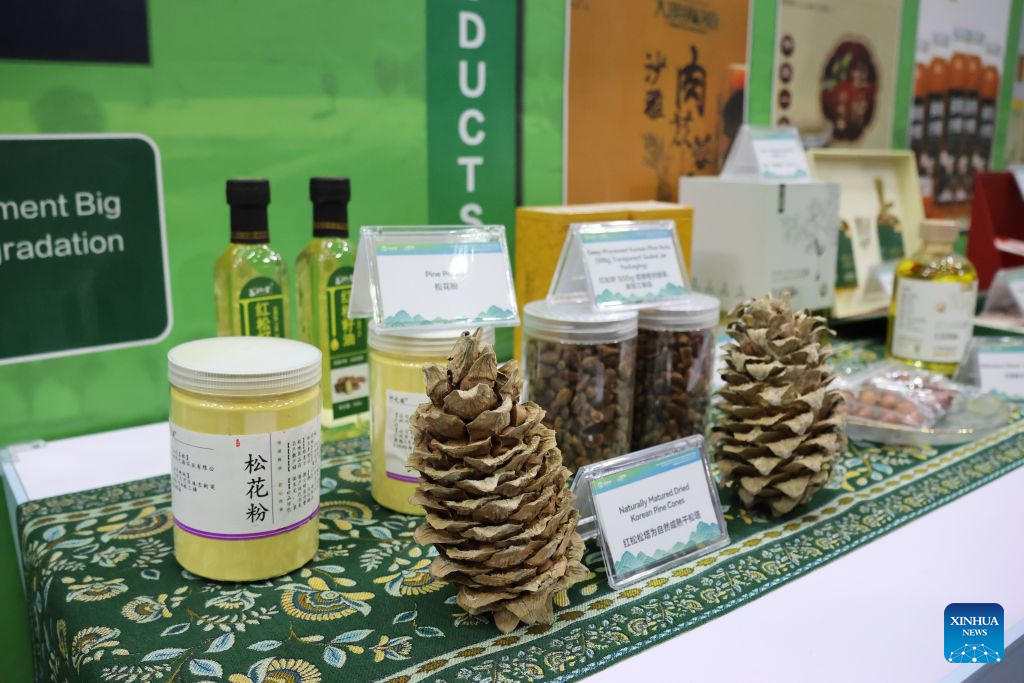 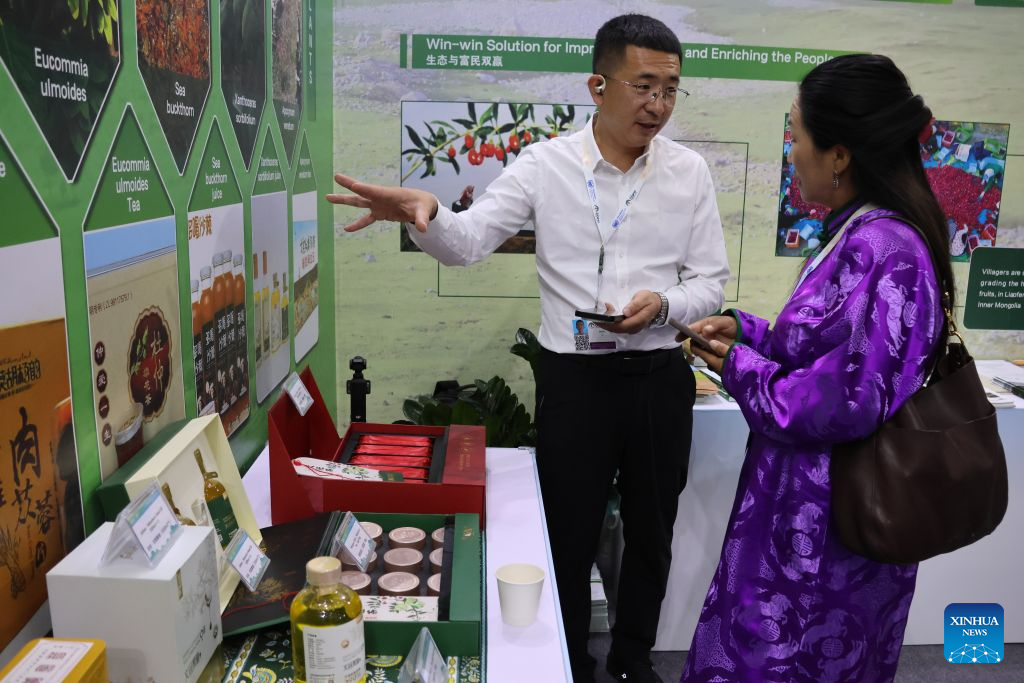 。
B | e(ECNS) -- The online buzz surrounding the barbecue feast in East China's Zibo city may have cooled, but the city continues to attract visitors, including a growing number of international tourists. Former NBA player DeMarcus Cousins was among the latest to sample the local specialty, grilling meat skewers and wrapping them in small pancakes at a barbecue restaurant in the city. Cousins's visit turned a late-night meal into a cultural experience. Three years after the online barbecue boom put Zibo on the map, foot traffic remains steady at the city's popular Bajor Market, according to Zheng Haolin, head of the market's management office. The market received more than 19 million visitors in 2023, 18.9 million in 2024 and more than 18.7 million in 2025. As of July 2026, more than 12 million people had visited, with the annual total expected to remain around 18 million to 19 million. "What has cooled down is probably just the online buzz," Zheng said. "The fluctuation in visitor numbers is only a few hundred thousand each year. With a base of about 18 million visitors annually, the daily variation is very small." Zheng also noted a significant shift: The number of international visitors has increased notably since 2024. Most are students studying in China, along with tour groups from Southeast Asia. The restaurant that hosted Cousins set a goal in February of taking photos with diners from 50 countries. By August, that target had been met, with photos of the French ambassador to China, solo travelers from Sweden, tourists from Russia and Bangladesh, and Chinese nationals from overseas communities in Malaysia and Singapore. A floor manager at the restaurant said she became friends with a Bangladeshi photographer who visited three times — first with friends, then with more friends and finally with his family. Actress Xie Huiting, who performs in the restaurant's cultural show, recalled international students praising the performance and the food. The owner said that beyond price, service and quality, cultural experiences are essential to turning short-lived online attention into lasting visitor loyalty. He introduced a 360-degree stage show featuring stories from ancient Chinese history, which runs alongside the dining experience. A local resident who grew up in the area said the key to attracting visitors is simply good service and quality products. "That's the foundation for welcoming friends from elsewhere," he said. (By Tang Yuxian) Current article:http://d9s.nuotingqinbeimaeijin.cfd/k2z/6sye.html Published on:00:00:00 |



 。
。